
Educational institutions
Solutions for schools, universities, and kindergartens
HVAC — the foundation of health, focus, and the best environment for learning
In educational institutions—schools, colleges, and kindergartens—the right microclimate directly impacts health, concentration, and academic performance. Clean air, stable temperature, and optimal humidity are essential for a safe and effective learning environment.
Properly designed ventilation, heating, and air conditioning systems ensure comfort in classrooms, gyms, laboratories, and common areas. Proper humidification reduces the risk of colds, improves air quality, and enhances the well-being of children, students, and teachers.
HVAC process control allows you to monitor air parameters in real time, save energy, prevent equipment outages, and maintain stable learning conditions year-round.
We select solutions that meet sanitary and safety standards, ensuring the reliability and energy efficiency of each system.
HVAC Engineering is the best partner for implementing engineering solutions in educational buildings. The right microclimate creates conditions for health, development, and high-quality learning, which directly impacts the quality of education.
Want to get started right away?





Some of completed HVAC projects
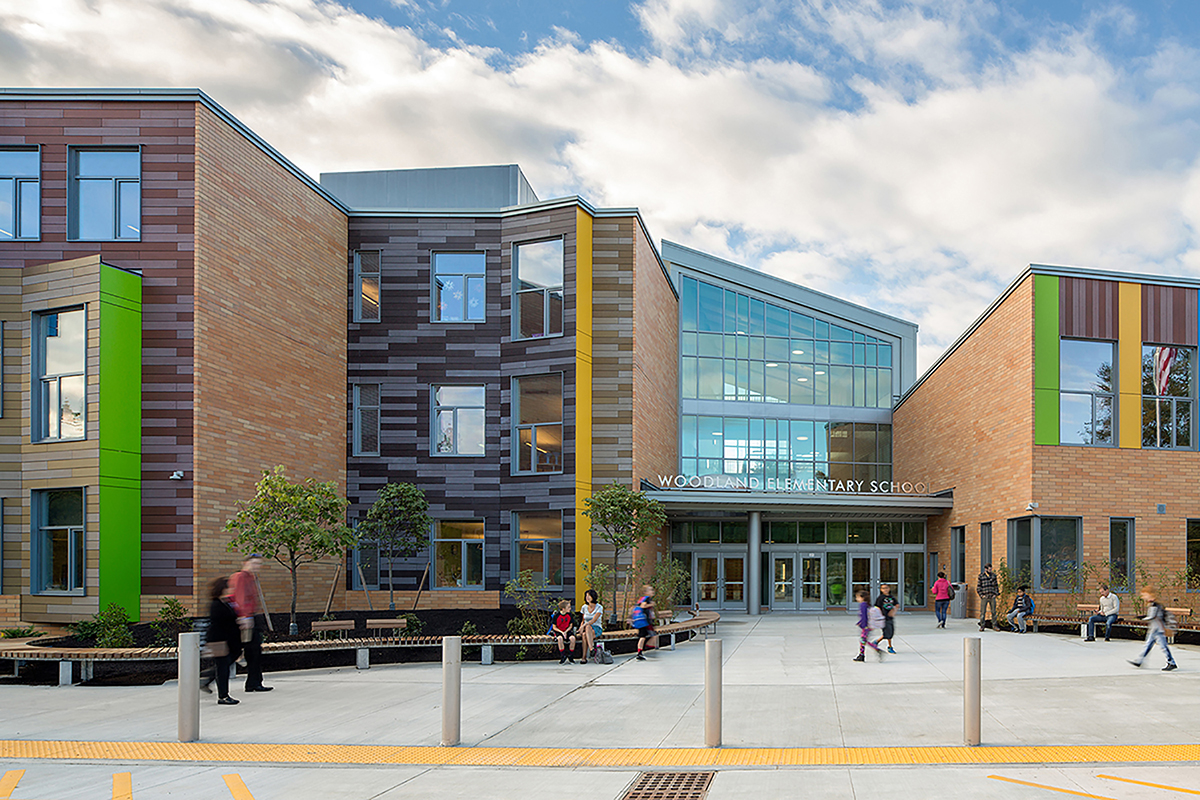
School / Kindergarten
An HVAC solution for schools and kindergartens is the foundation of a healthy indoor climate, effective learning, and student safety. In educational facilities, comfortable temperature, fresh air, and proper humidity directly influence concentration, well-being, and performance of both children and teachers.
For typical classrooms, a centralized supply and exhaust ventilation system is designed to ensure constant airflow and removal of used air. VRF or chiller–fan coil systems are used for precise zonal temperature control and energy efficiency.
If the school includes a gym, specialized comfort equipment is required — with enhanced air exchange and accurate temperature regulation, since physical activity demands special conditions.
If there is a swimming pool, additional air dehumidification and specialized ventilation systems are needed to maintain temperature and humidity balance, preventing condensation and corrosion.
- Minimum HVAC equipment set for schools:
- HVAC project for the school
- Centralized supply and exhaust ventilation system
- VRF or chiller–fan coil system
- For gym — enhanced air exchange system
- For pool — dehumidification and specialized ventilation units
HVAC ENGINEERING – We create the right climate and modern HVAC solutions built to last, because we know how to do it right.
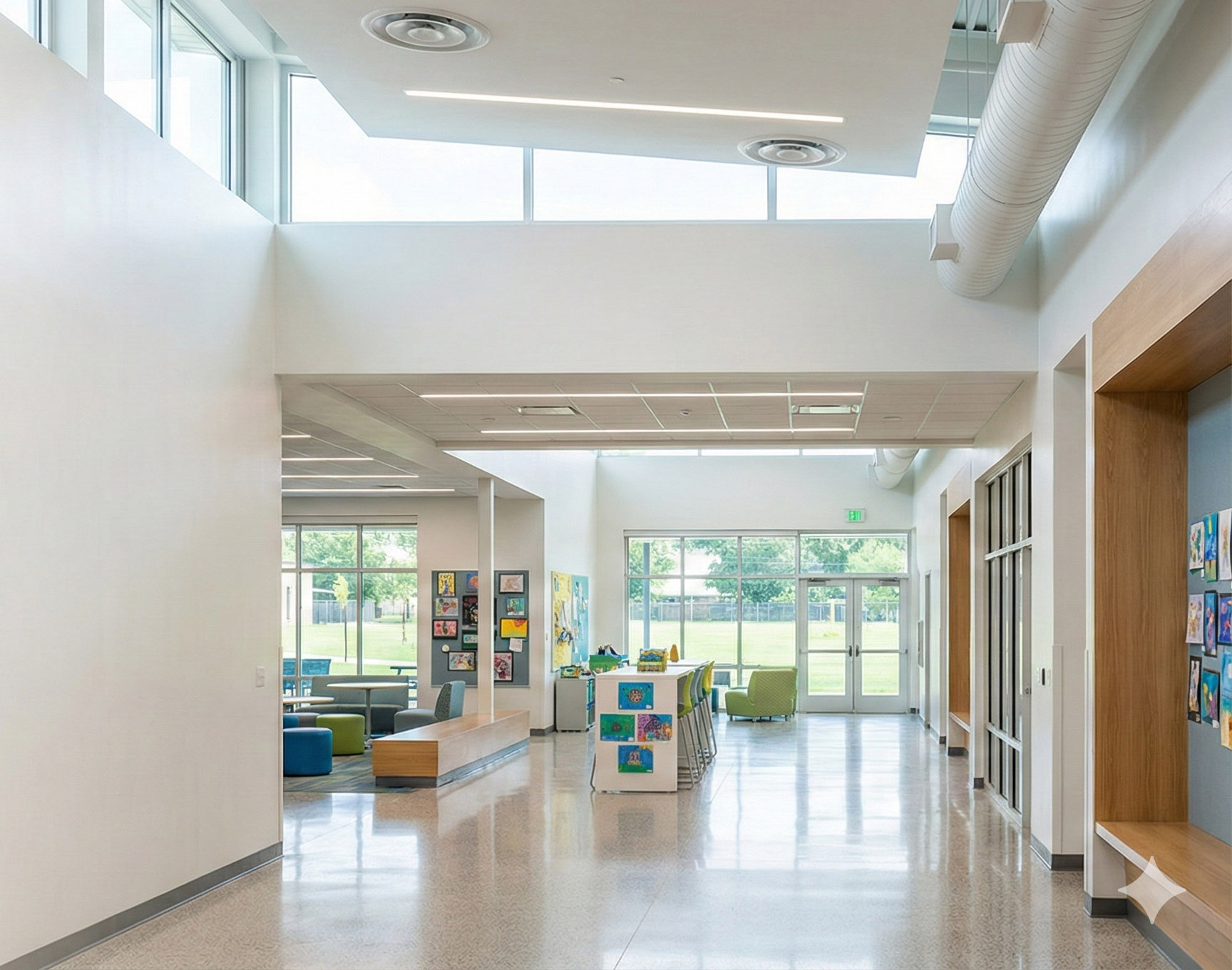
After-School Center
The HVAC solution for after-school centers plays a crucial role in ensuring children’s health, comfort, and safety. In such facilities, children spend several hours daily, so maintaining stable temperature, clean air, and proper humidity is essential for their well-being and focus.
For learning and play zones, supply and exhaust systems with filtration and heat recovery are designed to provide continuous fresh air supply and CO₂ removal. As a climate solution, VRF or multisplit systems are used to maintain comfortable conditions across all areas — from classrooms and playrooms to relaxation and creativity zones.
If the center includes a sports or active zone, systems with enhanced air exchange are recommended to maintain comfort during physical activity.
Modern automation systems control temperature and air quality, improving energy efficiency and operational safety.
Minimum HVAC equipment set for after-school centers:
- HVAC project for the after-school center
- Supply and exhaust ventilation system with humidification and heat recovery
- VRF or multisplit air conditioning system
- (For sports zones) enhanced air exchange system
HVAC ENGINEERING – your reliable partner for building HVAC systems.




Frequently asked questions
Why is it especially important to properly design ventilation and air conditioning systems in educational institutions?
In schools and kindergartens, air quality directly affects students’ health, concentration, and well-being. The HVAC system must ensure a constant supply of fresh air and removal of CO₂ with minimal energy consumption. HVAC ENGINEERING designs solutions that comply with health and educational standards.
What HVAC system is best suited for educational facilities?
The most effective solution is to use supply and exhaust ventilation systems with heat recovery, combined with zonal air conditioning for classrooms, auditoriums, and gyms. These systems ensure a comfortable indoor climate and low noise levels.
How can HVAC operating costs be reduced in a school or university?
Installing HVAC automation and monitoring systems allows equipment operation to be adjusted according to schedules and room occupancy. This reduces energy consumption and optimizes resource usage. HVAC ENGINEERING designs systems that combine energy efficiency with long-term reliability.